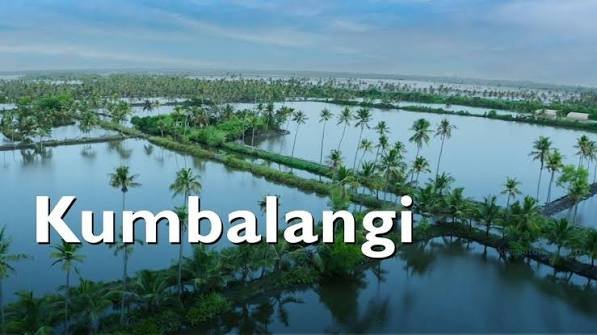
Cradled between the backwaters of Kochi, Kumbalangi carries a distinction few Indian villages can claim — it’s officially India’s first model tourism village, a title earned through a genuinely thoughtful blend of Chinese fishing nets, coir-making demonstrations, mangrove-lined canals, and a working fishing economy that visitors are welcomed to observe up close. Made even more famous by the 2019 Malayalam film that borrowed its name, Kumbalangi today draws travellers seeking an authentic, slower-paced alternative to Kochi’s busier tourist circuits.
Kumbalangi Village Overview
| Detail | Information |
| Location | Ernakulam district, Kerala, near Kochi |
| District | Ernakulam |
| Distance from Kochi City Centre | Approx. 14–16 km |
| Distance from Cochin International Airport | Approx. 45 km |
| Nearest Railway Station | Ernakulam Junction (approx. 15 km) |
| Known For | India’s first model tourism village, Chinese fishing nets, backwater tourism |
| Notable Activities | Village life tours, houseboat cruises, crab and clam farming visits |
| Nearby Localities | Fort Kochi, Vypin Island, Cherai Beach, Panangad |
| Best Time to Visit | October to March |
India’s First Model Tourism Village
Kumbalangi sits on a cluster of islands within the backwaters near Kochi, surrounded by canals, mangroves, and paddy fields that have shaped a genuinely distinctive fishing and farming economy for generations. In 2003, it became India’s first model tourism village, a designation built around showcasing this working village life to visitors rather than constructing tourism infrastructure from scratch.
- The village economy revolves around fishing, coir production, and toddy tapping, and Kumbalangi’s tourism model was deliberately designed to let visitors observe and participate in these traditional livelihoods rather than displacing them.
- Chinese fishing nets, a Kochi-area icon believed to have been introduced by Chinese traders centuries ago, line parts of Kumbalangi’s waterfront, offering visitors a chance to watch or even try the traditional fishing technique.
- The village gained additional cultural prominence after the acclaimed 2019 Malayalam film “Kumbalangi Nights,” which was shot here and drew a new wave of visitors curious to see the setting firsthand.
How to Reach Kumbalangi
Kumbalangi’s location within Kochi’s backwater network makes road transport the most practical way to reach the village, with the city’s broader transit hubs serving as convenient starting points.
By Road
- Kumbalangi is roughly 14–16 km from central Kochi, typically a 30–40 minute drive depending on traffic and the exact route through Panangad.
- KSRTC buses and local taxis connect Kochi to Kumbalangi, making the village accessible without needing a private vehicle.
- Auto-rickshaws are commonly used for the final stretch into the village’s narrower internal lanes.
By Rail
- Ernakulam Junction, roughly 15 km away, is the nearest major railway station, connecting Kochi to major cities across Kerala and South India, with the remaining journey to Kumbalangi covered by road.
By Air
- Cochin International Airport, about 45 km away, offers the nearest air connectivity, with taxis and pre-arranged transfers covering the onward journey to the village.
By Water
- Given Kumbalangi’s backwater setting, some visitors combine their trip with a houseboat or boat cruise, arriving via the canal network rather than purely by road.
What’s Around Kumbalangi: Activities and Nearby Attractions
Kumbalangi’s tourism model centres on genuine village experiences, with several activity zones and nearby attractions rounding out a typical visit.
Village Life Experiences
- Guided walks through Kumbalangi introduce visitors to coir-making, crab and clam farming, and toddy tapping, offering a hands-on look at the village’s traditional occupations.
- Canoe rides through the mangrove-lined canals remain one of the most popular ways to experience Kumbalangi’s backwater setting up close.
Nearby Attractions
- Fort Kochi, with its colonial architecture, art galleries, and iconic Chinese fishing nets at a larger scale, is a short drive away and often combined with a Kumbalangi visit.
- Vypin Island and Cherai Beach, both within reasonable driving distance, offer additional coastal and backwater experiences for travellers extending their Kochi itinerary.
Practical Facilities
- A handful of homestays and small resorts operate within Kumbalangi, allowing visitors to stay overnight and experience the village’s quieter evening rhythm.
- Local eateries serve authentic Kerala seafood, drawing on the village’s own fishing economy for fresh catch.
Why Kumbalangi Continues to Draw Travellers
Kumbalangi’s enduring appeal lies in its genuine, unforced authenticity — a working village that has managed to welcome tourism without losing the character that made it worth visiting in the first place.
- Its status as India’s first model tourism village offers a template for sustainable, community-based tourism that continues to attract policy interest alongside regular visitors.
- The backwater and mangrove setting provides a quieter, more intimate alternative to Kochi’s busier attractions, appealing to travellers seeking a slower pace.
- The added cultural pull from “Kumbalangi Nights” has introduced the village to a new generation of visitors drawn by its cinematic association.
Frequently Asked Questions
Q1. Is Kumbalangi suitable for a day trip from Kochi?
Yes, most visitors comfortably cover the village as a half-day or full-day trip from central Kochi, though overnight stays are available for those wanting a slower experience.
Q2. What activities can visitors actually do in Kumbalangi?
Guided village walks covering coir-making, crab and clam farming, canoe rides through the mangroves, and traditional fishing net demonstrations are among the main activities.
Q3. Is Kumbalangi the same village featured in the movie “Kumbalangi Nights”?
Yes, the acclaimed 2019 Malayalam film was shot in this village, and it remains a draw for fans wanting to see the actual filming locations.
Q4. What is the best time of year to visit Kumbalangi?
October to March offers the most pleasant weather for exploring the village and its waterways, avoiding Kerala’s heavier monsoon months.