Few abandoned villages in India carry the mystique of Kuldhara — a cluster of stone ruins in the Thar Desert that Paliwal Brahmins are said to have deserted overnight nearly two centuries ago, leaving behind a settlement that’s since become one of Rajasthan’s most talked-about heritage and folklore sites. Located a short drive from Jaisalmer, Kuldhara now draws history enthusiasts, photographers, and curious travellers eager to walk through its crumbling havelis and temple ruins against the backdrop of golden desert sand.
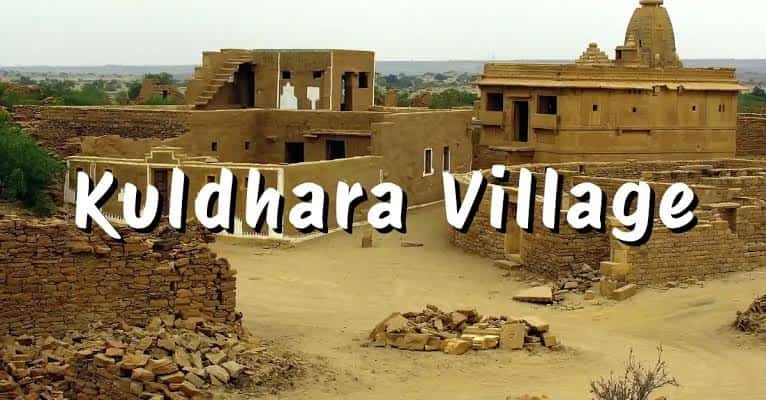
Kuldhara Village Overview
| Detail | Information |
| Location | Near Jaisalmer, western Rajasthan |
| District | Jaisalmer, Rajasthan |
| Distance from Jaisalmer City | Approx. 17–20 km |
| Distance from Jaisalmer Railway Station | Approx. 20–22 km |
| Distance from Jaisalmer Airport | Approx. 23–25 km |
| Known For | Abandoned Paliwal Brahmin settlement, folklore, stone ruins |
| Managed By | Rajasthan State Archaeology and Museums Department |
| Entry Timing | Typically 8:00 AM to 6:00 PM (subject to seasonal change) |
| Nearby Attractions | Khaba Fort, Sam Sand Dunes, Jaisalmer Fort |
| Best For | History buffs, photographers, desert heritage tourists |
The Story Behind Kuldhara’s Location
Kuldhara sits on the fringes of the Thar Desert, part of a cluster of villages once inhabited by the Paliwal Brahmin community, who according to local legend abandoned the settlement overnight sometime in the early 19th century rather than accept unjust demands from a local ruler. Whether history or legend, the desertion left behind roughly 80 ruined homes that still stand today.
- The village lies within a dry, arid stretch of desert terrain typical of the Jaisalmer region, with sand-coloured stone structures that blend into the surrounding landscape.
- Kuldhara is one of several abandoned villages in the area — collectively sometimes referred to as the Paliwal villages — though it remains the most visited and well-preserved of the group.
- The site is now under state archaeological protection, with entry fees and visiting hours regulated to manage tourist footfall and preserve the ruins.
How to Reach Kuldhara from Jaisalmer
Kuldhara isn’t accessible by public transport in any structured way, so most visitors reach it either as part of an organised desert tour or via a private vehicle from Jaisalmer city.
By Road
- The most common route runs along the Jaisalmer-Sam road, a well-maintained stretch that most taxis and tour operators use to combine a Kuldhara visit with other nearby attractions.
- Private cars and hired taxis remain the most practical option, since the drive takes roughly 30–40 minutes from central Jaisalmer depending on traffic and road conditions.
- Many visitors combine the Kuldhara trip with a visit to Khaba Fort and the Sam Sand Dunes in a single day, given their proximity along the same general route.
By Rail and Air
- Jaisalmer Railway Station, the nearest rail link, connects to major cities including Jodhpur, Jaipur, and Delhi, with onward travel to Kuldhara requiring a taxi or pre-arranged tour vehicle.
- Jaisalmer Airport offers limited flight connectivity, primarily to Delhi and Jaipur during peak tourist season, and is similarly a taxi ride away from the village site.
Attractions and Facilities Near Kuldhara
Kuldhara’s surroundings are built almost entirely around desert tourism, so nearby “essentials” look quite different from a typical residential locality — think heritage sites and desert experiences rather than markets and hospitals.
Nearby Heritage Sites
- Khaba Fort, roughly 3–4 km from Kuldhara, offers panoramic desert views and houses a small museum showcasing artefacts from the region’s Paliwal history.
- Jaisalmer Fort, the city’s iconic living fort, is about a 30-minute drive away and remains the primary base for most visitors exploring Kuldhara.
Desert Experiences Close By
- The Sam Sand Dunes, one of Rajasthan’s most popular desert camping and safari spots, sit within a reasonable driving distance and are frequently paired with a Kuldhara visit on tour itineraries.
- Several desert camps and resorts along the Sam road offer overnight stays for travellers wanting to extend their trip beyond a day visit.
Practical Facilities
- Basic food stalls and souvenir shops operate near the entrance for visitors, though most travellers plan meals and accommodation in Jaisalmer city itself, given the limited infrastructure directly at the site.
Why Kuldhara Continues to Draw Visitors
Beyond the ghost-village legend that gives Kuldhara much of its popular appeal, the site holds genuine value for anyone interested in Rajasthan’s lesser-known cultural history.
- The scale of preservation, with dozens of intact stone structures, offers a rare, tangible glimpse into 19th-century Paliwal Brahmin architecture and village planning.
- Its desert setting makes for striking photography, particularly around sunset when the ruins take on a golden hue against the sand.
- Proximity to other major Jaisalmer attractions makes it easy to fold into a broader day trip rather than requiring a dedicated excursion.
Frequently Asked Questions
Q1. Is Kuldhara easily reachable without a private vehicle?
Not really — there’s no direct public transport, so most visitors rely on taxis or organised tours from Jaisalmer city.
Q2. How much time should I plan for a Kuldhara visit?
Around 1–1.5 hours is usually enough to explore the ruins, though many visitors combine it with Khaba Fort for a half-day trip.
Q3. Is Kuldhara actually haunted, or is that just folklore?
There’s no verified evidence behind the haunted claims — it’s largely folklore, but the abandonment itself is historically documented and worth visiting for its architecture and history alone.
Q4. Can Kuldhara be visited along with the Sam Sand Dunes in one day?
Yes, both sites lie along a similar route from Jaisalmer, and most tour operators combine them into a single day’s itinerary.