When I first started investing, I assumed that free meant that I would never pay a rupee. Then a random charge appeared in my statements, a year later. I had not been mislead, but I didn’t ask the right questions. Let me save you from that feeling of disappointment
Is it actually free?
It mostly is, except for one small detail. A free demat account means that your broker will not charge you to open an account. Angel One, for instance, offers a free demat account. What you might have to pay, however, is the annual maintenance charge. This typically ranges from 300 to 700 rupees. Some brokers even waive off the first-year maintenance charge. Always make sure to read the fine print!
Are there any other charges that might appear?
There are custodian charges, which often get subsumed in your brokerage, especially if you are a retail investor. If you decide to convert physical certificates into electronic shares, however, you will be charged approximately between 5 to 10 rupees for every certificate.
Do you offer a basic service variant?
The regulator, SEBI, has mandated a Basic Services Demat account, or BSDA. They come with relatively low or nil maintenance charges, so long as the value of your shares, bonds, mutual funds and ETFs do not exceed a specified amount (50,000 rupees, for instance).
Let me understand what exactly a demat account is
You are not alone. Many new-age investors type ‘what is demat account‘ into a search engine and find themselves lost by the jargon. A demat account is basically a digital wallet, wherein your stocks, bonds, mutual funds and ETFs reside. Credits are transferred to your demat account when you purchase securities, and debits are made when you sell them. It also gets updated when you receive bonus shares, or when a company you have invested in announces a split. Unlike physical certificates, there is no risk of certificates getting damaged or faked. There are two depositories in India, NSDL and CDSL, which safeguard your digital assets.
How does it differ from a trading account?
To trade in the stock market, you will also need to open a trading account, and link it to a bank account. While your bank account funds your transactions, your demat account stores your shares, mutual funds, bonds and ETFs. When you buy a stock, for instance, its credit to your demat account is made on a T+1 basis, where T refers to the date of the transaction.
What documents do I need to submit when opening a demat account?
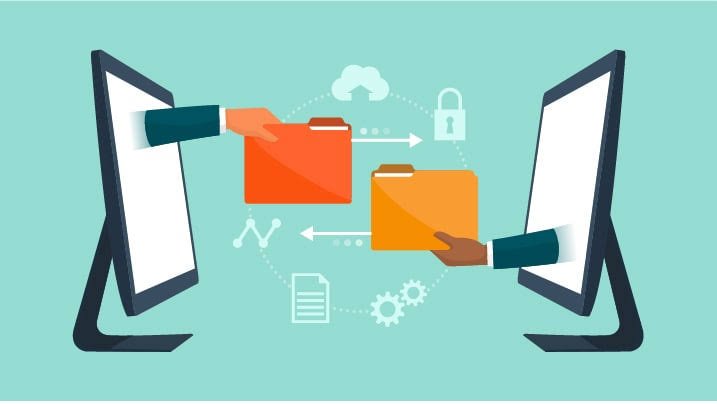
As an investor, you will be asked to provide your proof of address, proof of identity, proof of bank account, your PAN card and a passport-size photograph with a self-attested copy. In today’s digital age, however, many of these documents can be submitted online. Make sure to have digital copies of all documents, in case you have to fill up the forms in one go.
What mistakes do beginners commonly make?
Beginners sometimes open multiple demat accounts simultaneously, but do not end up tracking or utilising all of them. Some choose to ignore the maintenance fee, until they see it in their monthly statement. Others fail to nominate someone, which could cause complications in the future. You can avoid these pitfalls by choosing one broker, nominating someone and tracking your monthly statement. It should not take more than two minutes of your time.
Final thoughts
A free demat account is a great way to start your financial journey, as long as you know what you are getting into. Read the terms and conditions carefully. Start small, and invest only what you can afford to lose. Any investment in the stock market carries risk, and demat accounts are not an exception.