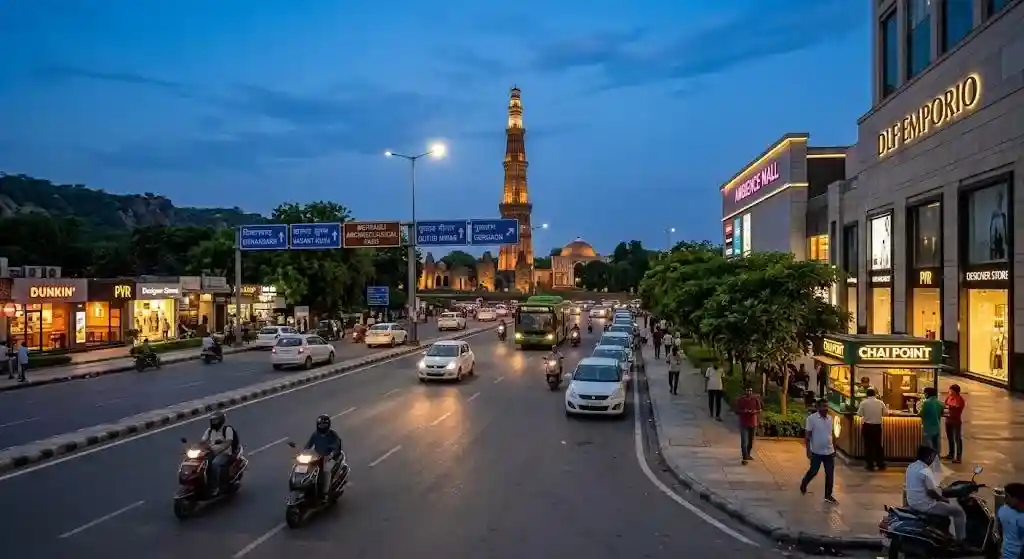
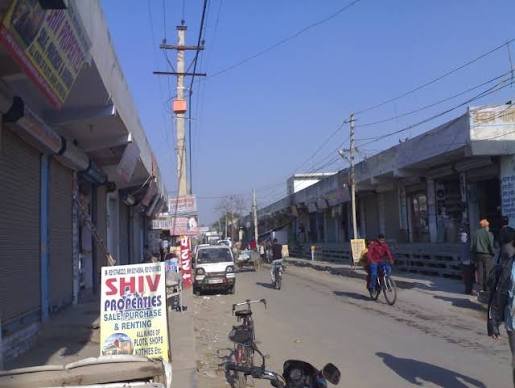
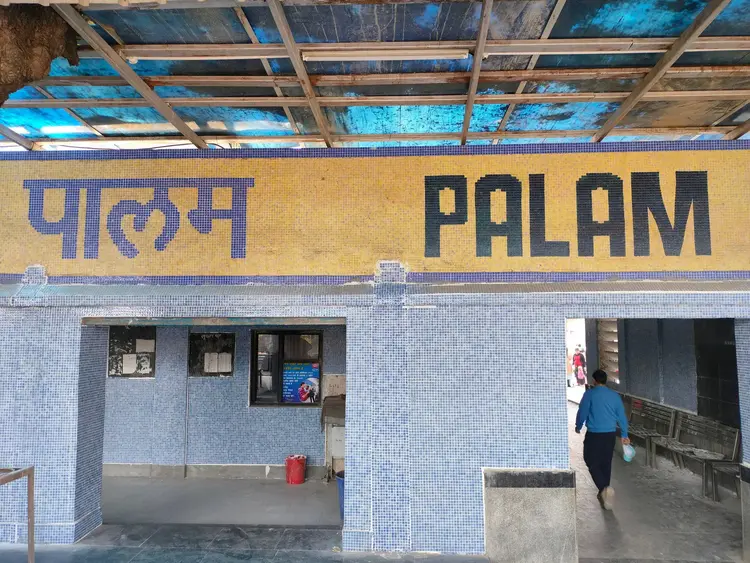
Long before Delhi’s western suburbs filled in with high-rises and gated colonies, Palam was already on the map — first as a village that gave its name to the capital’s original airport, and later as a sprawling residential and cantonment-adjacent locality that today houses both Air Force personnel and a dense civilian population. That layered history still shows in how the area functions: part military zone, part urban village, part busy residential market, all within a few kilometres of Delhi’s domestic airport terminal.
Palam Village Quick Overview
|
Detail |
Information |
|
Location |
South West Delhi |
|
District |
South West Delhi |
|
Nearest Metro Station |
Dashrath Puri / Dabri Mor-Janakpuri South (Magenta Line) |
|
Distance from IGI Airport (T1) |
Approx. 4–6 km |
|
Distance from Connaught Place |
Approx. 16–18 km |
|
Distance from Dwarka |
Approx. 6–8 km |
|
Known For |
Palam Air Force Station, urban village market, airport proximity |
|
Notable Institution |
Air Force Station Palam |
|
Nearby Localities |
Dwarka, Vikaspuri, Janakpuri, Dabri |
|
Best For |
Defence personnel families, airport staff, budget renters |
A Locality Shaped by the Air Force and the Airport
Palam’s identity is inseparable from two institutions: the Air Force Station that still occupies a large stretch of land here, and the domestic terminal of IGI Airport that once carried the Palam name itself before the airport was renamed and expanded. That dual legacy continues to define how the area is used and who lives here.
- The Air Force Station Palam remains an active defence installation, and a significant share of the local population consists of serving or retired Air Force personnel and their families.
- The village core, distinct from the cantonment area, has grown into a dense residential and commercial pocket with narrow lanes typical of Delhi’s older urban villages.
- Its closeness to Terminal 1 of IGI Airport has made Palam a practical, lower-cost residential option for ground staff, cab drivers, and airline employees compared to areas directly abutting the terminal.
Roads, Metro, and Airport Links
Palam’s location just south of the airport means most transport routes are built around getting residents either into central Delhi or toward Dwarka and Gurugram, with the airport itself functioning as a constant backdrop to daily travel.
By Metro
- The Magenta Line runs close to Palam, with Dashrath Puri and nearby stations offering a direct link toward Janakpuri, Botanical Garden, and onward into Noida without needing to change lines for much of the journey.
- Auto-rickshaws and shared vans typically cover the short stretch between the metro station and the village’s residential lanes.
By Road
- Palam Marg and the roads connecting to Dwarka provide the main arteries in and out of the area, feeding into the larger Outer Ring Road network for onward travel across Delhi.
- Traffic near the airport-facing stretches can build up during flight-heavy hours, so many residents time their road trips to avoid the immediate airport perimeter during peak arrival and departure windows.
By Airport Shuttle and Cab
- Given the short distance to Terminal 1, app-based cabs and airport shuttle services are heavily used by residents working airport-linked jobs, cutting commute times to a fraction of what other Delhi localities face.
Markets, Healthcare, and Schools Nearby
Palam’s own village market handles a good share of daily needs, but for anything beyond routine essentials, residents typically look toward the better-established retail and healthcare hubs in Dwarka and Vikaspuri.
Local Markets
- The Palam village market offers groceries, clothing, and everyday household items, with prices generally lower than in Delhi’s more upscale western localities.
- Dwarka’s sector markets, a short drive away, provide a wider retail spread including organised stores and branded outlets.
Healthcare Access
- Smaller clinics and diagnostic centres operate within Palam itself for routine checkups, while larger multi-specialty hospitals in Dwarka are reachable within 15–20 minutes for more serious treatment.
Educational Institutions
- Several schools serve the local population, including some catering specifically to defence families connected to the Air Force Station, alongside general private and government schools in the wider area.
What Makes Palam a Practical Address
Beyond its historical ties to the airport and Air Force, Palam continues to attract residents for reasons rooted in everyday convenience rather than nostalgia.
- Rental and property costs remain more affordable than nearby Dwarka, despite comparable proximity to the airport and metro network.
- The presence of the Air Force Station gives the area a distinct, community-oriented character uncommon in Delhi’s more anonymous residential pockets.
- Quick access to Terminal 1 continues to make it a preferred base for anyone whose work ties them closely to airport operations.
Frequently Asked Questions
Q: Is Palam Village close to the domestic airport terminal?
Ans: Yes, Terminal 1 is roughly 4–6 km away, making it convenient for airport and airline staff.
Q: Does Palam have direct metro connectivity?
Ans: Yes, the Magenta Line serves the area via Dashrath Puri and nearby stations, linking it to Janakpuri and Noida.
Q: Is Palam a good option for defence families?
Ans: Very much so — the Air Force Station Palam and its associated housing and schools make it a natural fit for serving and retired personnel.
Q: Are healthcare facilities easily accessible from Palam?
Ans: Routine care is available locally, but for advanced treatment, most residents travel to hospitals in nearby Dwarka.